
Chemical Applications of Pressure and Temperature Sensors

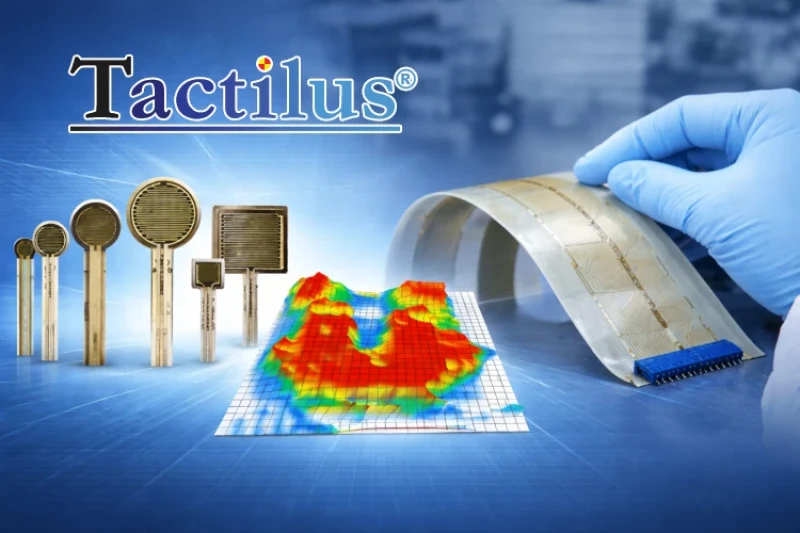
Tactilus® for Chemical Applications is designed to measure pressure and stress distribution on industrial equipment. 

By providing real-time insights, the system helps safety managers and engineers identify weak points, optimize processes, and reduce risks associated with high-pressure, high-temperature, or corrosive environments. 

Tactilus® enables predictive maintenance by highlighting areas that are prone to stress or wear, helping extend equipment lifespan and minimize downtime. Its robust construction ensures accurate measurements even in harsh chemical conditions, including exposure to reactive substances, high temperatures, and variable pressures. 

Engineers can leverage detailed tactile data to optimize process efficiency, improve operational safety, and ensure compliance with strict industry regulations. Whether used in production facilities, laboratories, or chemical plants, Tactilus® provides actionable insights that enhance reliability, safety, and productivity in complex chemical processes. 

 

Software


Products

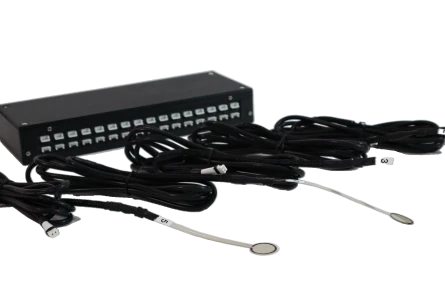
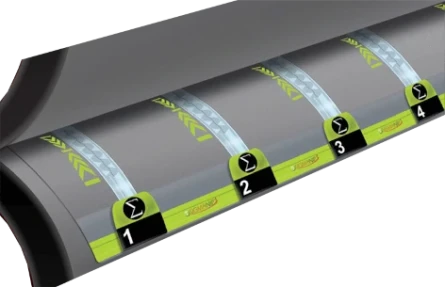
Sigma-Nip® Mini is an advanced electronic system for analyzing contact pressure between rollers , designed for smaller spaces and smaller contact surfaces, without sacrificing the precision and...
Sigma-Nip® Standard is an advanced electronic system for analyzing contact pressure between rollers , ideal for applications on large rolls or requiring high-amplitude measurement.

FAQ Industrial Application

What is a pressure sensor and pressure mapping system?

A pressure sensor is an electronic device that measures force applied over a defined
area. A pressure mapping system combines one or more pressure sensors with
electronics and dedicated software to measure, visualize, and analyze pressure
distribution between contacting surfaces.

How does a pressure mapping system work?

Thin electronic sensors are positioned between contacting surfaces. When pressure
is applied, the sensors convert mechanical load into electrical signals, which are
processed by software to generate pressure maps and quantitative measurement
data.

What are the main applications of pressure mapping systems?

They are used in component assembly, quality control, machinery maintenance,
product design, packaging, sealing, printing, medical devices, automotive,
aerospace, and more.

What are the key benefits of using electronic pressure measurement systems?

  • Objective and quantitative pressure measurement
  • High accuracy and repeatability
  • Real-time data visualization and recording
  • Digital data storage and reporting
  • Flexible sensor designs for custom applications

Which industries use pressure mapping systems?

Pressure sensors and pressure mapping systems are used across automotive,
aerospace, medical, manufacturing, packaging, electronics, sports science,
ergonomics, and research industries.